
Regulation
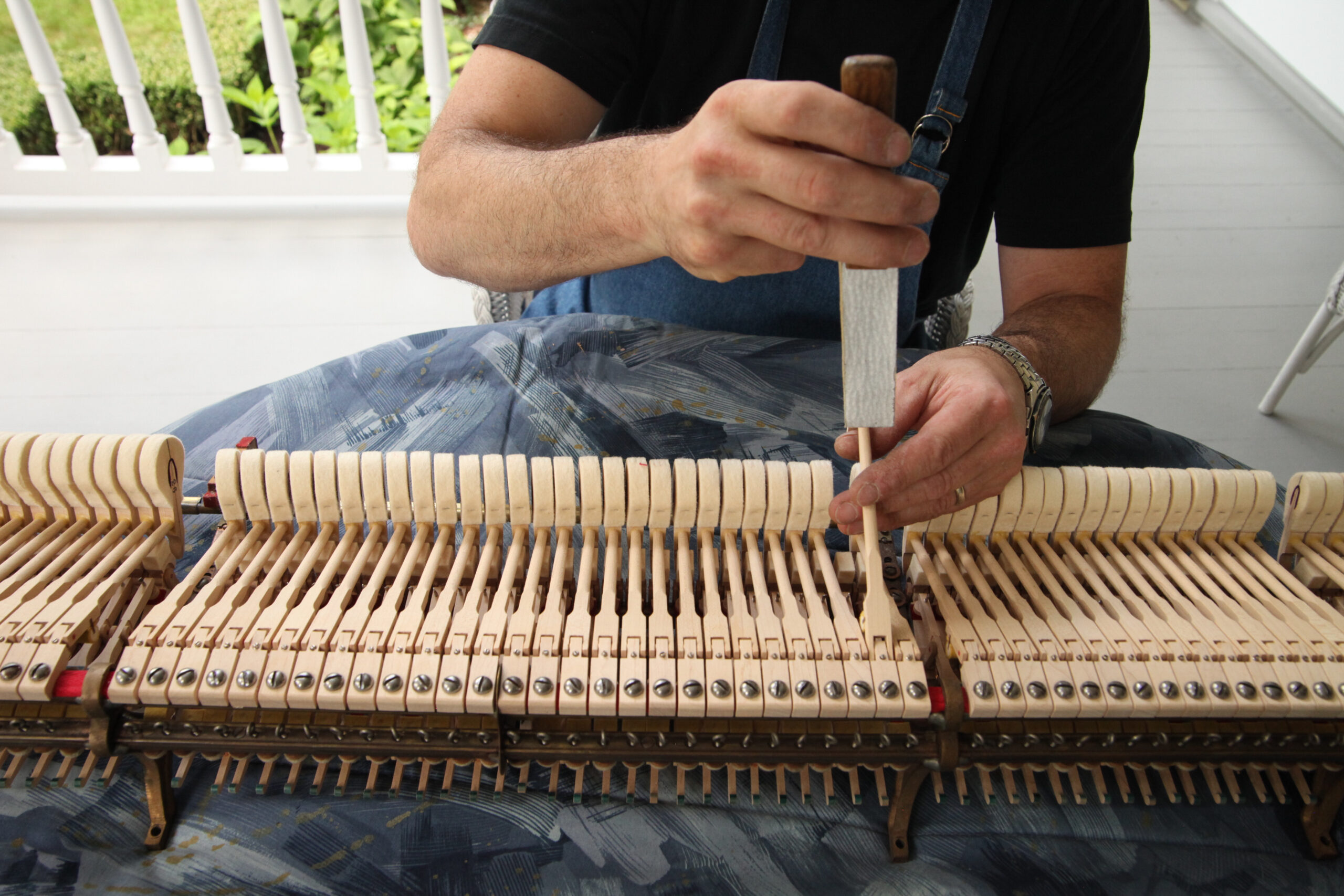
Precision adjustment of the piano’s action and mechanical components to restore proper touch, responsiveness, repetition, hammer movement, escapement, damper function, and overall playability.
Full Grand Regulation Details
Full Grand Regulation Details
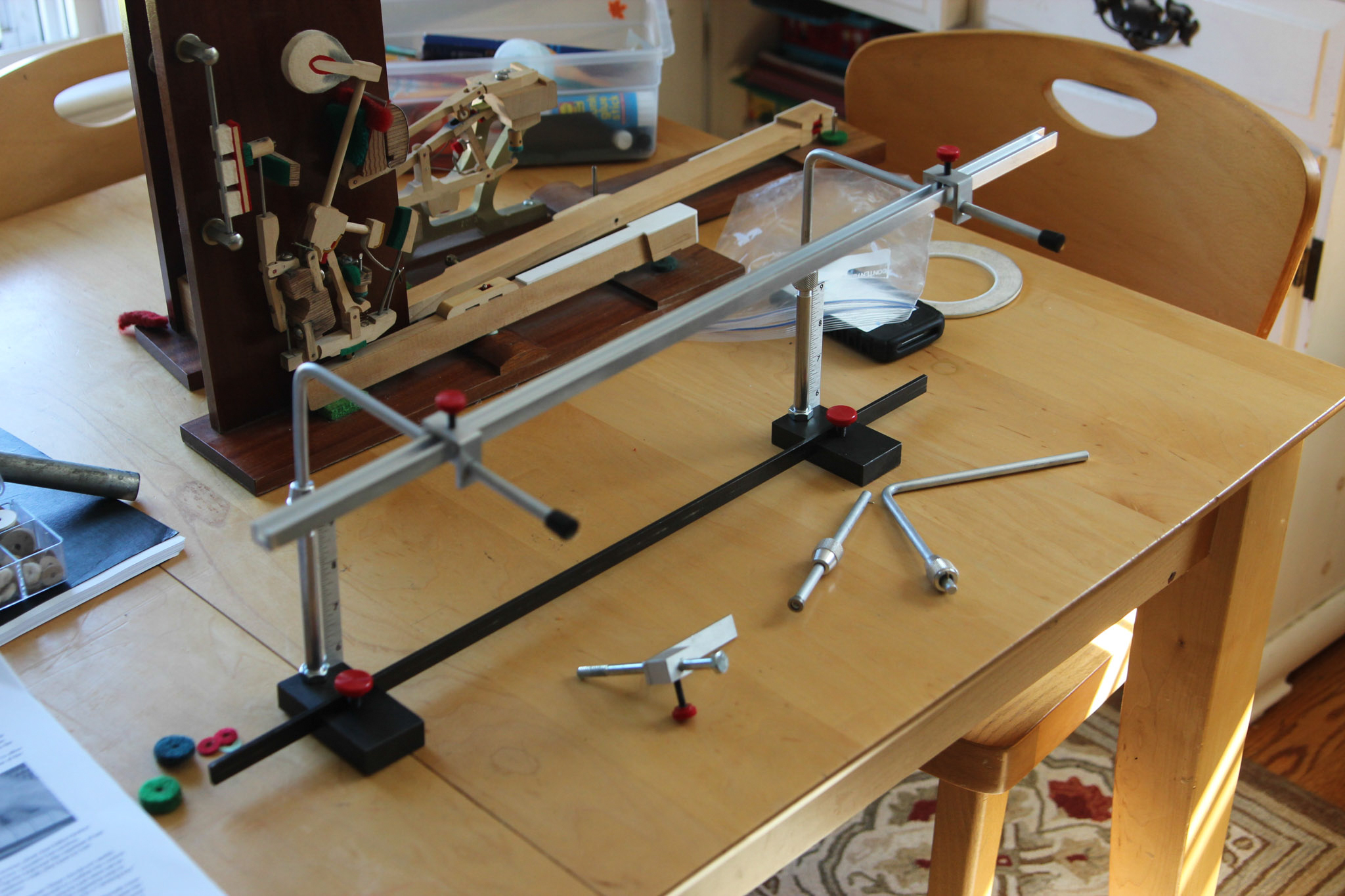
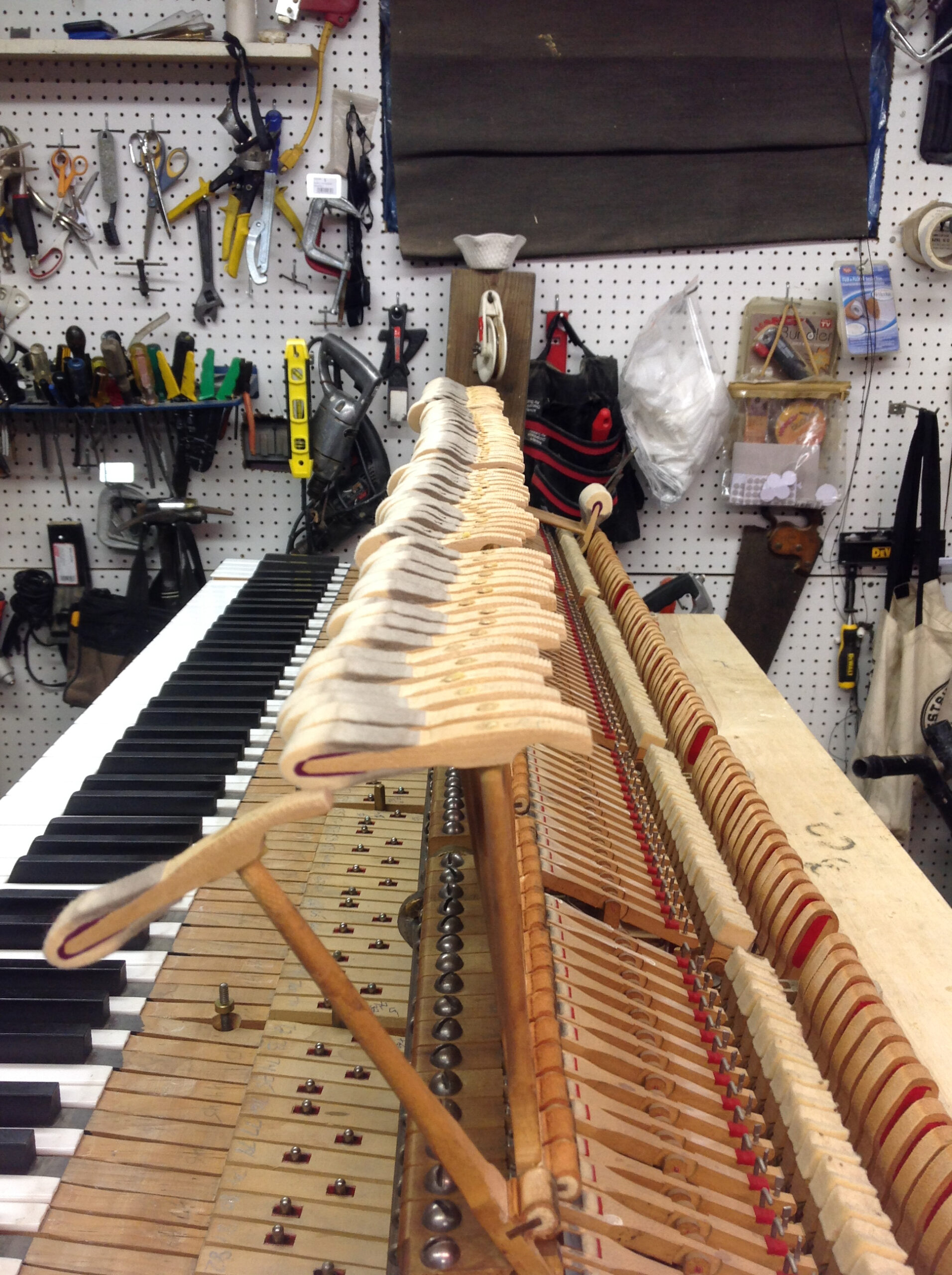
A grand piano regulation is the systematic adjustment of the keyboard, action, pedals, and damper system so that every component works together with correct geometry, timing, movement, and touch. The procedure includes bedding and aligning the keys, setting key level and dip, adjusting hammer travel, let-off, drop, aftertouch, backchecking and repetition, regulating the pedals and dampers, and then thoroughly testing the piano for consistent, responsive playability.
Click here to evaluate the procedure
1. PREPARATION & EVALUATION
Before the actual regulation:
- Protect the piano and surrounding area
- Gain access to the action and keyboard
- Clean the interior and action area
- Establish guide notes throughout the piano
- Check action friction
- Check center-pin friction
- Inspect action parts for wear or damage
- Check hammer shanks, knuckles, wippens, jacks, repetition levers and springs
- Check let-off buttons and cloth
- Check backchecks
- Check key frame and key bed
- Check key-frame glides
- Check action brackets and mounting
- Correct necessary lubrication and friction problems
- Correct repairs that would prevent regulation from holding
Igrec emphasizes that regulation won’t remain stable if the underlying parts are not in good condition.
2. GRAND KEYBOARD REGULATION
Igrec gives these keyboard procedures in this order:
- Bed the key frame
- Space the keys
- De-slant the keys
- Square the keys
- Set white-key level
- Set black-key level
- Set key dip — white and black keys
For a grand, bedding is particularly important because the keyboard/key frame moves laterally with the una-corda pedal.
3. GRAND ACTION REGULATION
This is the heart of what most technicians mean when they say they are regulating the action.
Hammer geometry and movement
- Establish consistent hammer-blow distance
- Establish the hammer line
- Align the hammers properly
- Make sure hammers travel correctly toward the strings
- Check hammer travel and return
- Check the relationship between the hammer, shank, knuckle, jack and repetition lever
Let-off / escapement
- Set let-off
- Make let-off consistent across the scale
- Check let-off distance in relation to the strings
- Check for hammer/string contact at let-off, particularly in tenor and bass
- Test extremely soft playing/“playing off the jack”
Drop
- Set drop
- Establish consistent drop relative to let-off
- Make sure the hammer drops properly after let-off
Igrec describes drop as the hammer’s movement downward immediately after let-off.
Aftertouch
- Establish proper aftertouch
- Balance aftertouch against key dip and blow distance
- Make aftertouch consistent across the keyboard
- Check aftertouch by feel as well as measurement
Igrec stresses that aftertouch is interconnected with blow distance and key dip rather than being adjusted independently.
Backchecking
- Set backcheck height
- Align the backchecks with the hammer tails
- Establish consistent backcheck distance
- Check backchecking throughout the scale
- Make sure the backchecks catch the hammers consistently
- Check backcheck-to-tail relationship
Igrec treats backchecks as part of the action, rather than the keyboard.
Repetition
- Regulate repetition spring tension
- Establish proper repetition-lever behavior
- Regulate repetition-lever height
- Check repetition-lever contact with the knuckle
- Check hammer return and repetition
- Check jack positioning
- Check jack-to-knuckle relationship
- Check jack positioning at rest
- Check jack escapement and reset
- Check repetition throughout the keyboard
The book specifically discusses repetition-lever height, jack regulation and repetition-spring behavior as part of grand-action regulation.
Friction and lubrication
- Check hammer-shank friction
- Check wippen friction
- Check jack friction
- Check repetition-lever friction
- Check repetition springs
- Lubricate appropriate knuckle/contact surfaces
- Lubricate appropriate repetition mechanisms
- Correct excessive or insufficient center-pin friction
Igrec makes an important point here: friction is not simply supposed to be eliminated. The correct amount provides mechanical damping and helps control action movement.
4. GRAND PEDAL REGULATION
Igrec has a separate section for regulating grand pedals.
Damper pedal
- Regulate pedal travel
- Regulate damper lift
- Establish proper pedal engagement
- Establish proper pedal stop
- Check timing and consistency
Una corda / soft pedal
- Regulate lateral keyboard movement
- Establish proper hammer shift
- Make sure the shift is even throughout the keyboard
- Check hammer/string relationship with the pedal depressed
- Check pedal travel and stop
Sostenuto
Where the piano has sostenuto:
- Regulate sostenuto pedal travel
- Regulate sostenuto mechanism
- Align tabs with the appropriate damper components
- Establish reliable catching and releasing
- Check timing and consistency
Igrec’s chapter specifically treats the soft pedal and sostenuto as separate grand-pedal regulation subjects.
5. GRAND DAMPER REGULATION
This is another major part of a complete grand regulation.
Damper alignment
- Align damper heads with the strings
- Center the dampers over their strings
- Establish proper vertical alignment
- Align damper felts evenly against the strings
- Correct damper-wire geometry
Damper lift
- Establish proper damper lift
- Set guide-damper lift
- Make lift even across the keyboard
- Establish correct pedal lift
- Establish proper lift timing relative to the action
Damper return
- Check that dampers return cleanly
- Check damper seating
- Check damper-lever movement
- Check damper springs
- Check damper-lever friction
Damper mechanism
- Regulate underlevers
- Check underlever alignment
- Check damper wires
- Check guide-rail bushings
- Check damper lift rod
- Check lift-rod hooks and hinges
- Check damper spoons/contact surfaces where applicable
- Lubricate appropriate damper contacts
- Eliminate damper noise and sluggishness
Igrec devotes a substantial portion of Chapter 5 to the grand damper system, including damper wires, underlevers, lift, springs, guide bushings and pedal operation.
6. FINAL PLAYABILITY CHECK
After the mechanical adjustments:
- Check uniform key feel
- Check uniform key travel
- Check let-off consistency
- Check drop consistency
- Check aftertouch consistency
- Check repetition
- Check backchecking
- Check soft-pedal operation
- Check damper operation
- Check sostenuto operation
- Check extremely soft playing
- Check repeated notes
- Check rapid passages
- Check loud playing
- Check the entire keyboard for mechanical inconsistencies
How do you know if your piano needs a regulation?

Keys feel uneven, sticky, or sluggish when pressed.
Notes do not repeat cleanly or quickly, especially at faster tempos.
Some keys require more effort than others or feel inconsistent across the keyboard.
Pedals do not operate smoothly, or the damper pedal does not fully lift or release.
You hear unusual noises, clicking, or friction when playing.
The piano feels less responsive or controllable overall, making it harder to play expressively.
Even if most of your piano passes the above test, even a small regulation every 3 years can prolong the life and payability of your piano.
More Services
We do what we do in the silence of our work; we bring unity, clarity and harmony.
Tuning
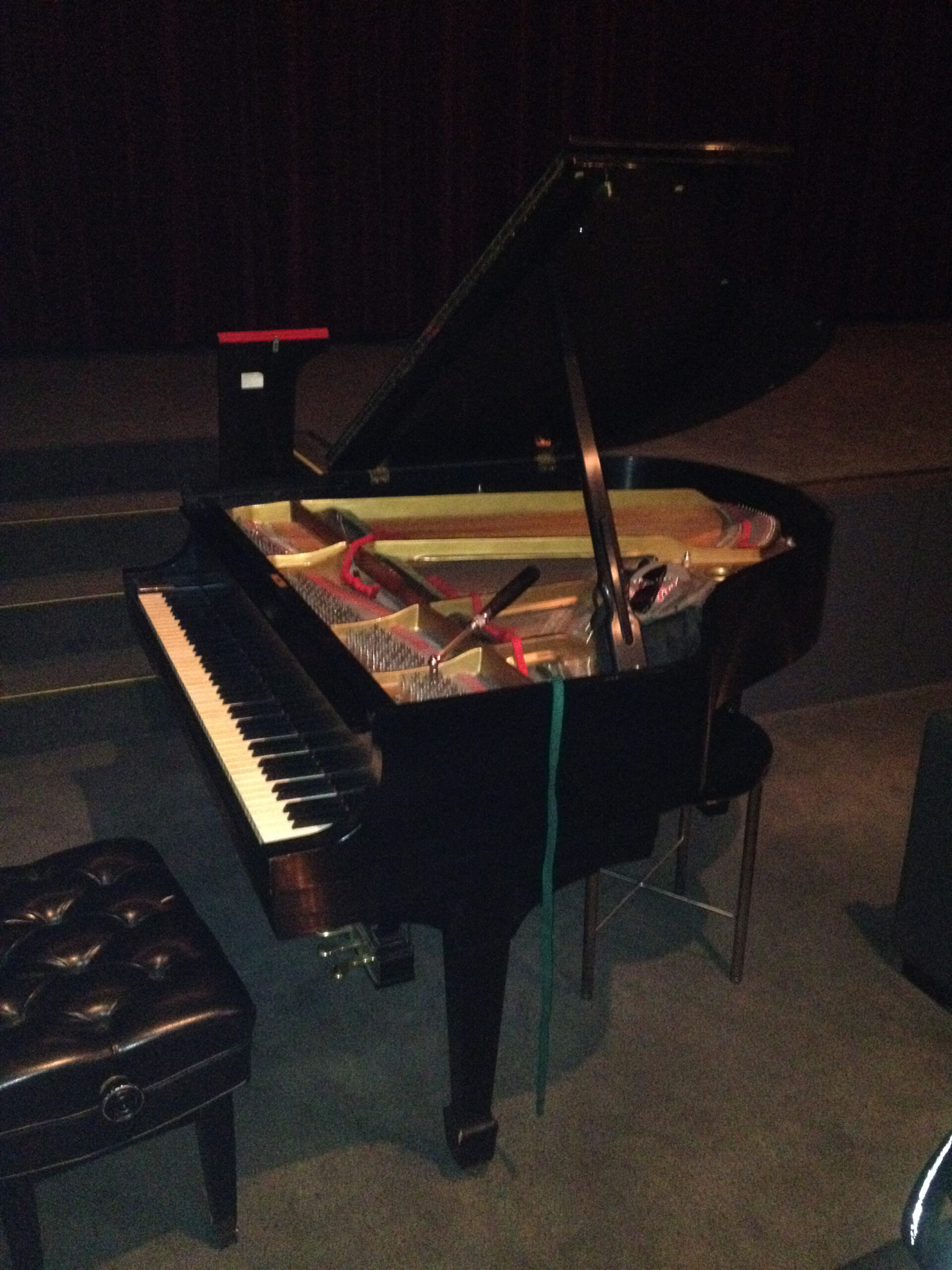
Once a year is recommended, more if you play often.

Cleaning
Mice love your piano. We come prepared. Resistance is futile.
Appraisals
Insurance wants your money, you'll want it back, just in case,.
Repairs
Things break. Don't worry, We carry a large inventory.
Happy Customers

Angela was great!
Leslie - NYC
He (Joesph) is an extremely talented and skilled technician, musician, teacher."
Marjorie S
Full Service Piano Tuning and Repair
Satisfaction Guaranteed
