
Rhapsody Pianos
Piano Tuning & Repair in Cincinnati and New York. Since 1996.
Piano Services
Professional piano tuning, repair, regulation, cleaning, and appraisal services throughout Greater Cincinnati, Northern Kentucky, and New York.
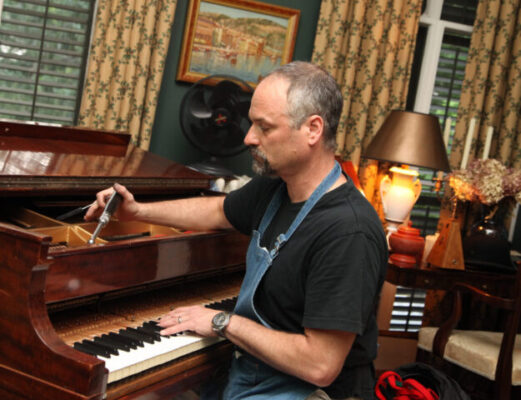
Piano Tuning
Precision tuning for a beautiful, balanced sound.
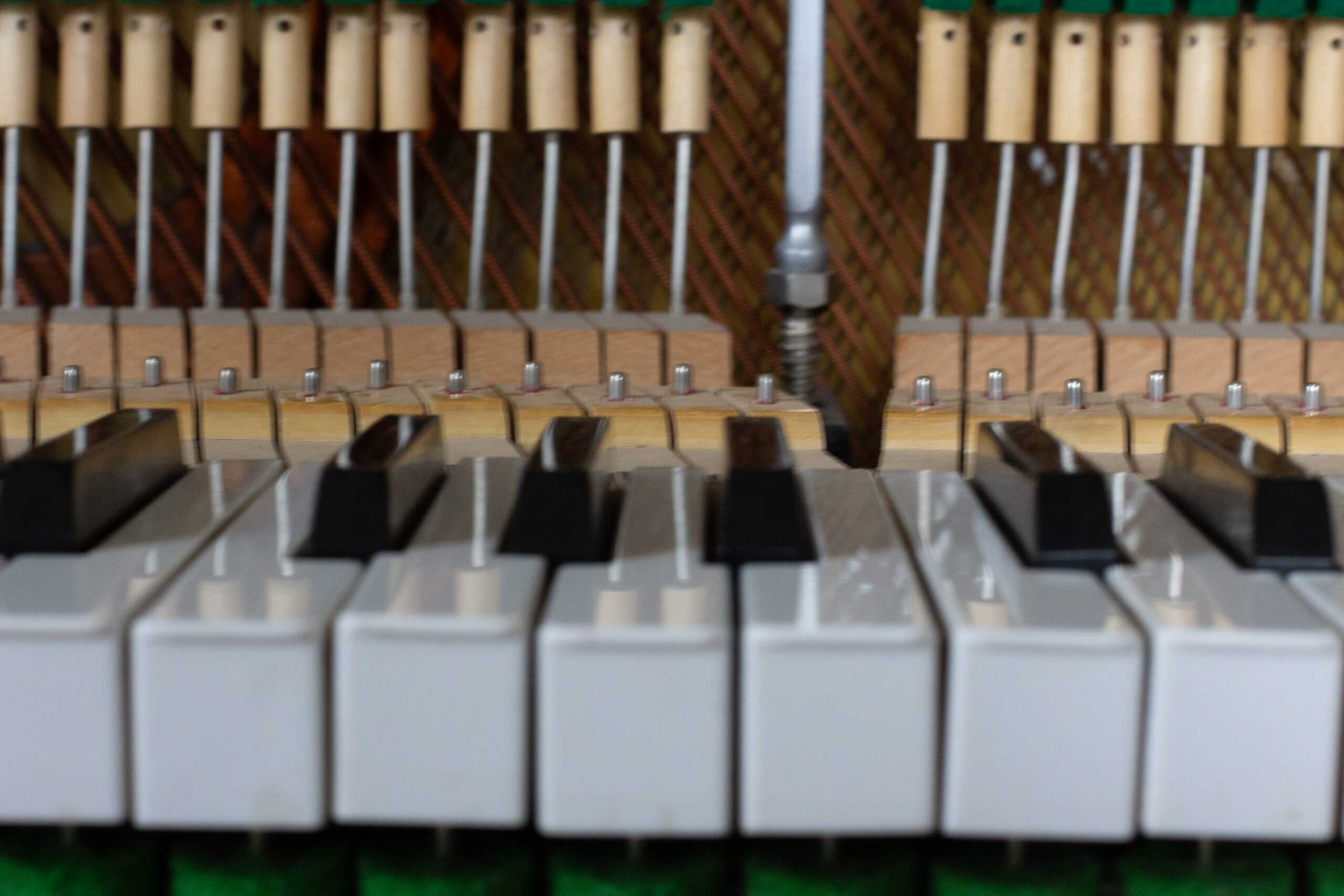
Regulation
Fine adjustments for responsive, consistent performance.
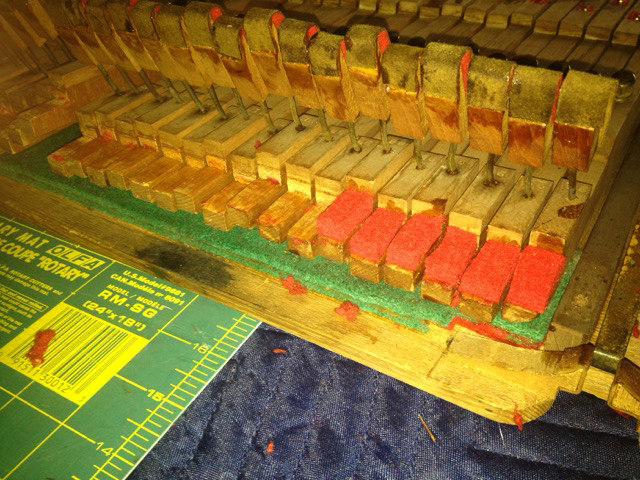
Repairs
Expert repairs that restore performance and reliability.
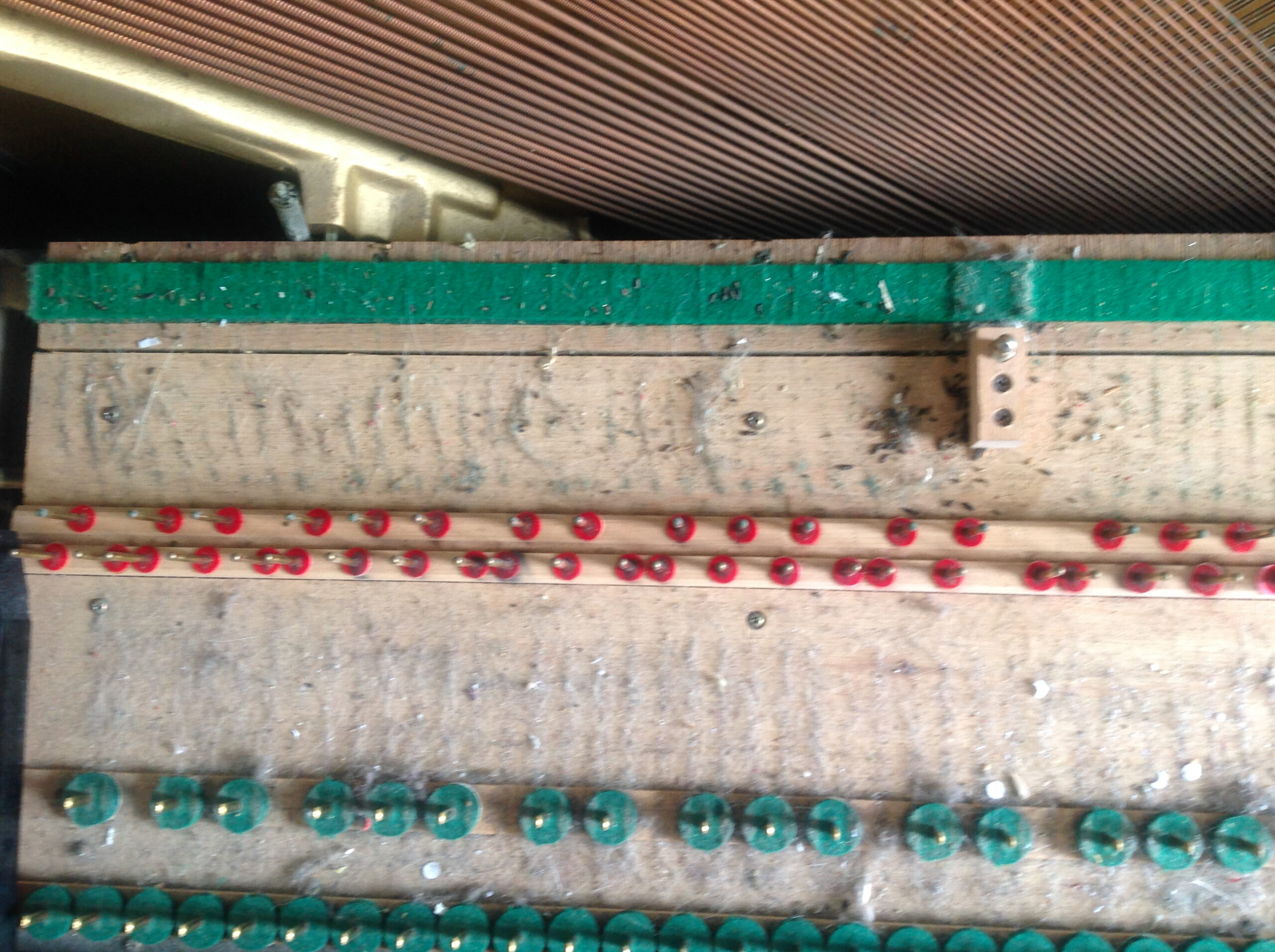
Cleaning
Thorough cleaning to protect your piano’s condition.
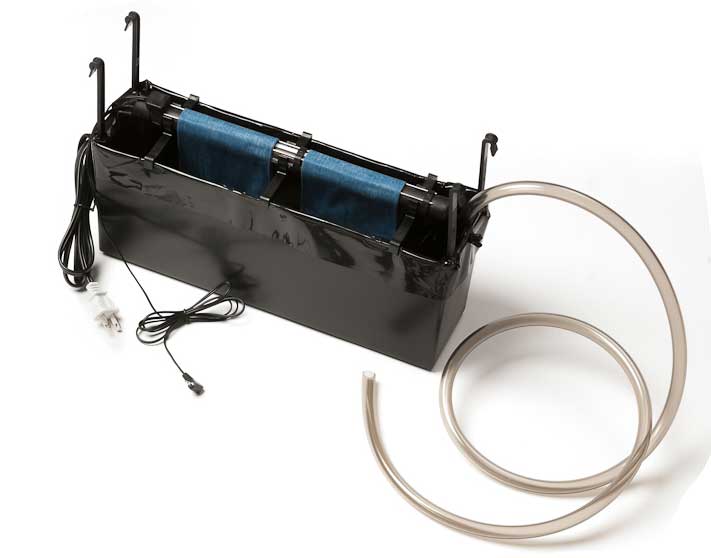
Controlling Stability
Improve tuning stability and protect your investment.
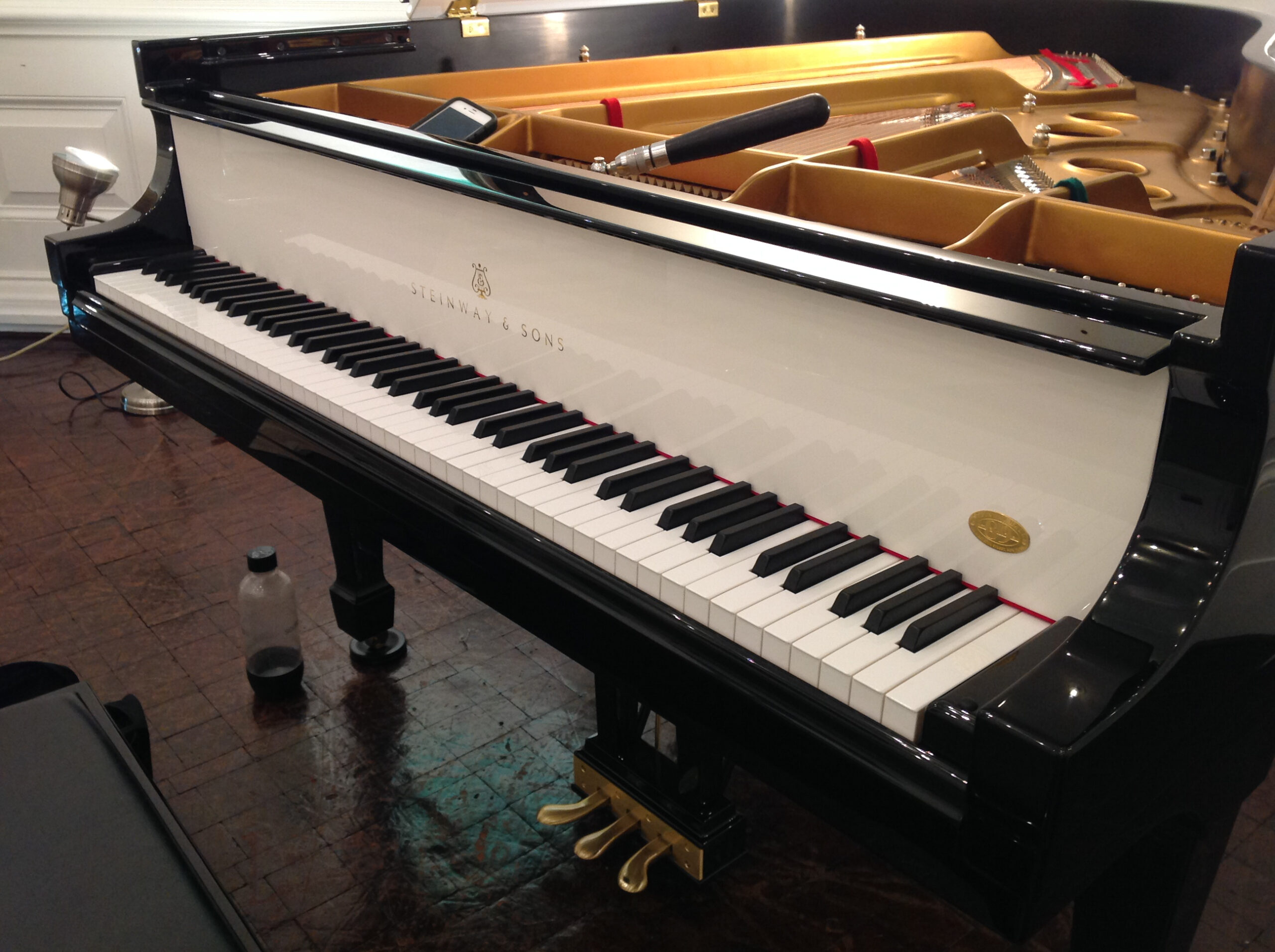
Appraisals
Accurate piano appraisals for informed decisions and value.
Satisfaction Guaranteed

“Piano sounds great! ...and thanks for the free repair. I've been listening to the clicking sound for years. Now it's gone and it's so much more fun to play.”
~ S.G.MD Manhattan
"…we had an event hosted by ASCAP last week and ….. was there. He’s been the pianist doing a massive piano sample library for Kurzweil. He said he’s played some of the best Steinways on the planet and felt ours on par with any of those. He was drooling over the action regulation and voicing you did. I thought you'd appreciate that."
~ A. Koss Owner, Terminus Recording Studio, NYC
“Chris – we’re happy with the tuning – it sounds and feels fine!”
~ S.H. Middletown, NY
“...thanks for the emergency tuning. It made all the difference in the world for my performance and recording. FANTASTIC!!!” ~
~ B.M. Poughkeepsie, NY
“Unbelievable. I thought my mom's piano was done for. Holy sh--!. It's not new, but you got it sounding like I remember as a kid. Thanks a million.”
~ J.J. Cincinnati, OH
“...if James Bond were a piano tuner...nobody does it better...you're the best.”
~ K.R. West Chester, OH
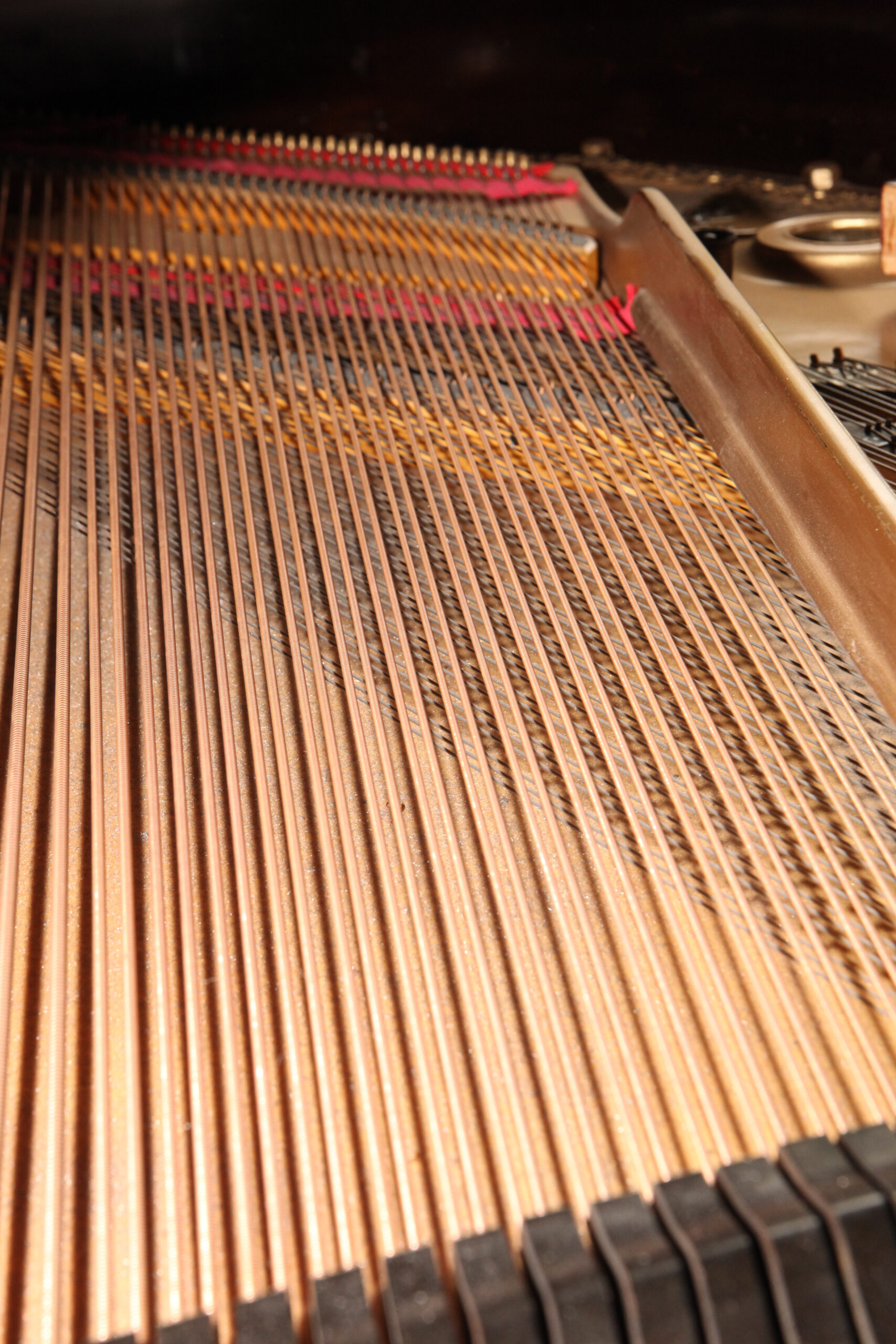
The Invention of the Piano — The Story of Bartolomeo Cristofori
Florence, Around 1700
Around the year 1700, in the magnificent city of Florence, Italy, an instrument maker named Bartolomeo Cristofori was working for the powerful Medici family.
Cristofori was surrounded by some of the finest musical instruments of his day, but he was not satisfied with what they could do. He wanted to create something different—an instrument that could respond to the musician in a completely new way.
The Harpsichord
At the time, the harpsichord was one of the most important keyboard instruments in Europe.
When a player pressed a key, a small mechanism caused a quill or other plectrum to pluck a string. The result could be beautiful and brilliant, but there was a limitation: pressing the key harder did not make the note dramatically louder.
The instrument essentially had one basic level of volume.
Cristofori's Idea
Cristofori had another idea.
What if a keyboard instrument could respond to the player's touch? What if pressing a key gently could produce a soft sound, while striking it with greater force could produce something much louder?
The idea sounds simple today, but making it work was extraordinarily difficult.
The Mechanical Problem
Cristofori needed to invent a mechanism in which a hammer would strike a string and then immediately get out of the way, allowing the string to vibrate freely.
If the hammer remained against the string, the sound would be stopped. If it struck incorrectly, the instrument would not respond properly.
The mechanism had to be fast, precise, and sensitive enough to respond to the player's fingers.
The Breakthrough
Cristofori succeeded.
His new instrument combined ideas from several instruments that had come before it, including the clavichord, harpsichord, and hammered dulcimer, but it was something fundamentally new.
Unlike the harpsichord, it could respond to the force of the player's touch.
From Earlier Instruments
The clavichord had already demonstrated that a keyboard could give the musician remarkable control over individual notes.
The hammered dulcimer demonstrated another important idea: strings could be sounded by striking them rather than plucking them.
Cristofori brought these ideas together into an entirely new mechanical system.
Something New
Cristofori's invention was not simply a modified harpsichord.
It gave the performer something musicians had never possessed in quite the same way before: direct control over dynamics through touch.
A gentle touch could create a soft sound. A stronger attack could create a more powerful one.
The Name
Cristofori originally gave his invention a wonderfully descriptive Italian name:
gravicèmbalo col piano e forte.
It essentially meant "harpsichord with soft and loud."
Eventually, the enormous name was shortened to pianoforte, and finally simply piano.
The Beginning of the Piano Action
Cristofori's work was more than just a new keyboard instrument.
He had created a mechanical system containing some of the essential ideas behind the modern piano action.
His work included mechanisms that became ancestors of the escapement and repetition actions used in later pianos.
The Piano Is Born
And so, around 1700, in Florence, something extraordinary happened.
A musician could finally sit at a keyboard and make the instrument respond to the weight, speed, and intention of the player's fingers.
The piano had been born.
It would take more than another century for the instrument to become the powerful, 88-key piano we recognize today—but the essential idea was already there:
The musician could control the sound through touch.
Happy Customers
Years in Business
Locations
Full-Service Piano Tuning and Repair
Satisfaction Guaranteed
