
Piano Cleaning
Cleaning a Piano
PIANO CLEANING & DEEP INTERIOR CLEANING
A piano can accumulate years of dust, dirt, hair, food particles, insects, and other debris in places that cannot be reached during ordinary household cleaning. Much of this material eventually finds its way into the action, keybed, action cavity, tuning-pin area, and other internal parts of the instrument.
A professional deep cleaning allows these areas to be accessed and cleaned without disturbing or damaging the delicate components of the piano. The exact procedure depends on the type of piano, its condition, and how much cleaning is required.
GRAND PIANO DEEP CLEANING
For a grand piano, a thorough interior cleaning begins with carefully removing the action from the piano. This exposes the action cavity and keybed, areas where considerable amounts of dust, dirt, pet hair, food, mouse debris, and other material can accumulate. Professional piano-cleaning procedures commonly remove the action and keys, vacuum the keyframe and action cavity, and clean the areas surrounding the tuning pins.
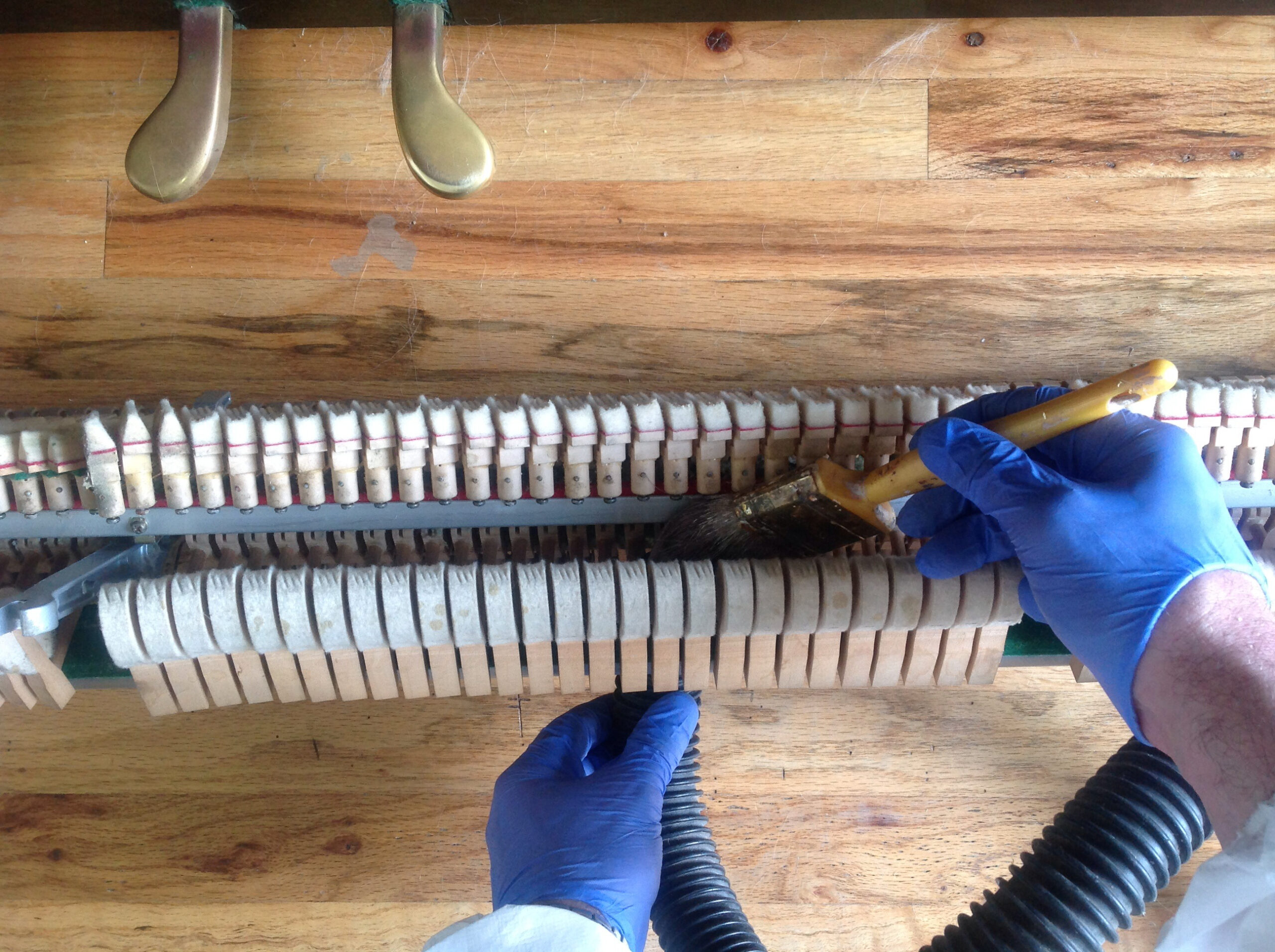
The action can then be taken to a suitable work area for cleaning. Depending on the condition of the instrument, the action may be blown out and vacuumed, with accumulated debris removed from the hammers, shanks, jacks, repetitions, rails, and other accessible action components. For a more extensive cleaning, the action can be further disassembled so individual components and the spaces between them can be cleaned.
The 88 keys and keyframe can also be cleaned, including the areas underneath the keys where dirt and debris collect. Key pins and other accessible parts of the keyframe may be cleaned and, where appropriate, lubricated.
With the action removed, the interior of the grand piano becomes accessible for cleaning. The soundboard, plate, tuning-pin area, bridges, and other accessible surfaces can be carefully brushed and vacuumed. Specialized piano-cleaning tools can be used to reach the soundboard beneath the strings without damaging the strings or soundboard.
The dampers and the areas surrounding them can also be cleaned, along with accumulated debris beneath the strings. The cast-iron plate can be cleaned and, where appropriate, polished. The tuning-pin area is carefully brushed and vacuumed to remove dust and debris without disturbing the tuning pins.
After the interior has been cleaned, the action and keys are returned to the piano and the instrument is checked to make sure the action is operating properly.
WHAT A DEEP GRAND PIANO CLEANING MAY INCLUDE
- Removal of the grand piano action
- Removal of the keys when necessary
- Cleaning and vacuuming of the action
- Cleaning of hammers, shanks, jacks, repetitions, rails, and other accessible action components
- Cleaning beneath and between action components
- Cleaning the action cavity
- Cleaning the keybed
- Cleaning the keyframe and key pins
- Cleaning beneath the keys
- Removal of dust and debris from beneath the strings
- Cleaning the soundboard beneath the strings
- Cleaning the cast-iron plate
- Cleaning around the tuning pins
- Cleaning the bridges and other accessible interior areas
- Cleaning the tops of the dampers
- Cleaning and polishing pedals and accessible pedal hardware
- Removal of accumulated dust, hair, food, nesting material, and other debris
These procedures are consistent with professional piano-cleaning practices described by piano technicians and Piano Technicians Guild technical discussions.
MOUSE INFESTATION & CONTAMINATION
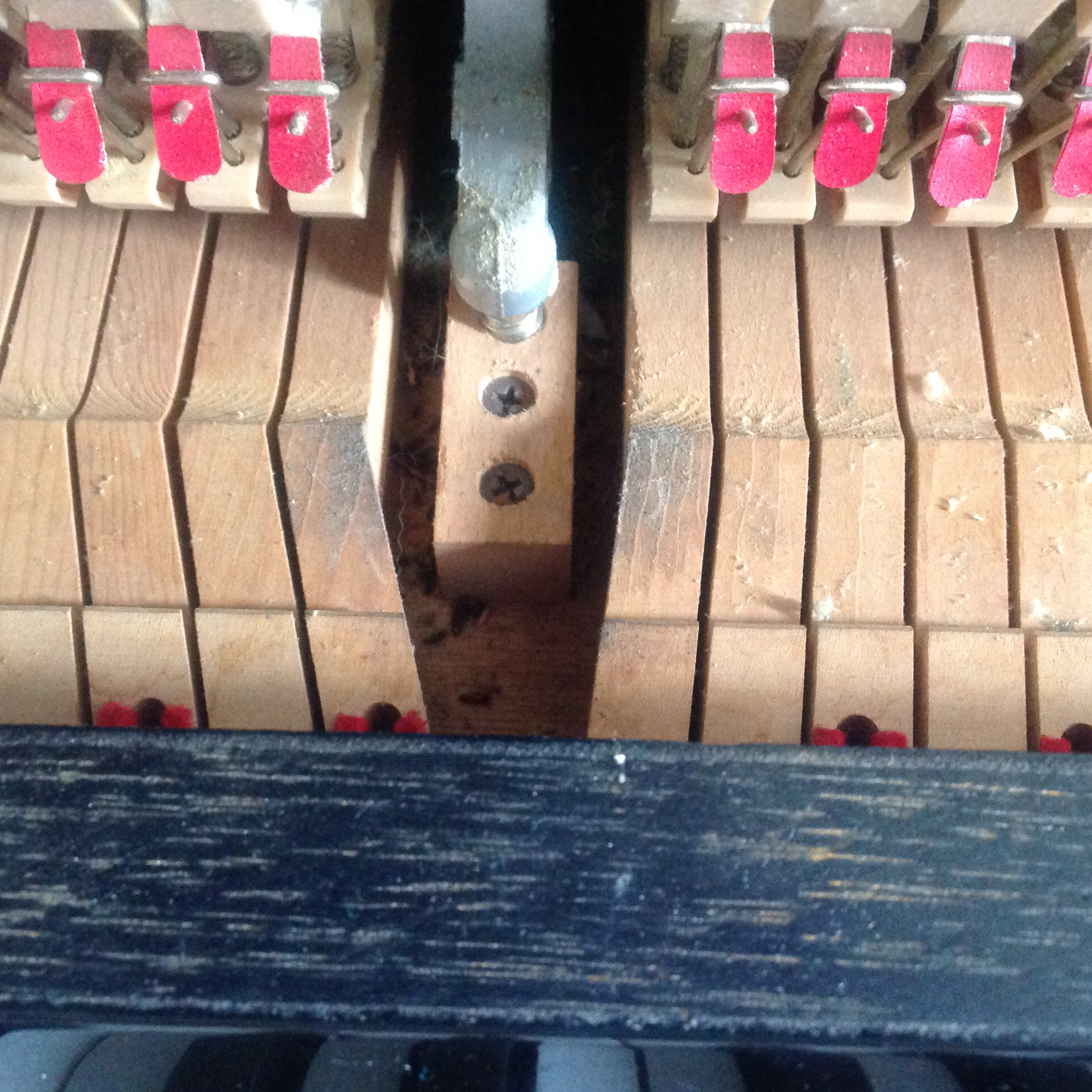
A particularly important reason for deep interior cleaning is mouse activity. The area beneath the action can provide a dark, protected location where mice may hide, nest, store food, and leave droppings and urine.
When the action is removed, the technician can inspect the action bed and interior cavity for accumulated food, nesting material, droppings, urine contamination, and other evidence of mice. Removing the action provides access to areas that would otherwise remain hidden.
A piano with evidence of mice requires more than simply wiping the outside of the cabinet. Contaminated material may be present beneath the action, around the keybed, in the action cavity, and in other protected areas. Careful removal of this material helps prevent it from remaining in contact with the piano’s felt, wood, and other components.
UPRIGHT & VERTICAL PIANOS
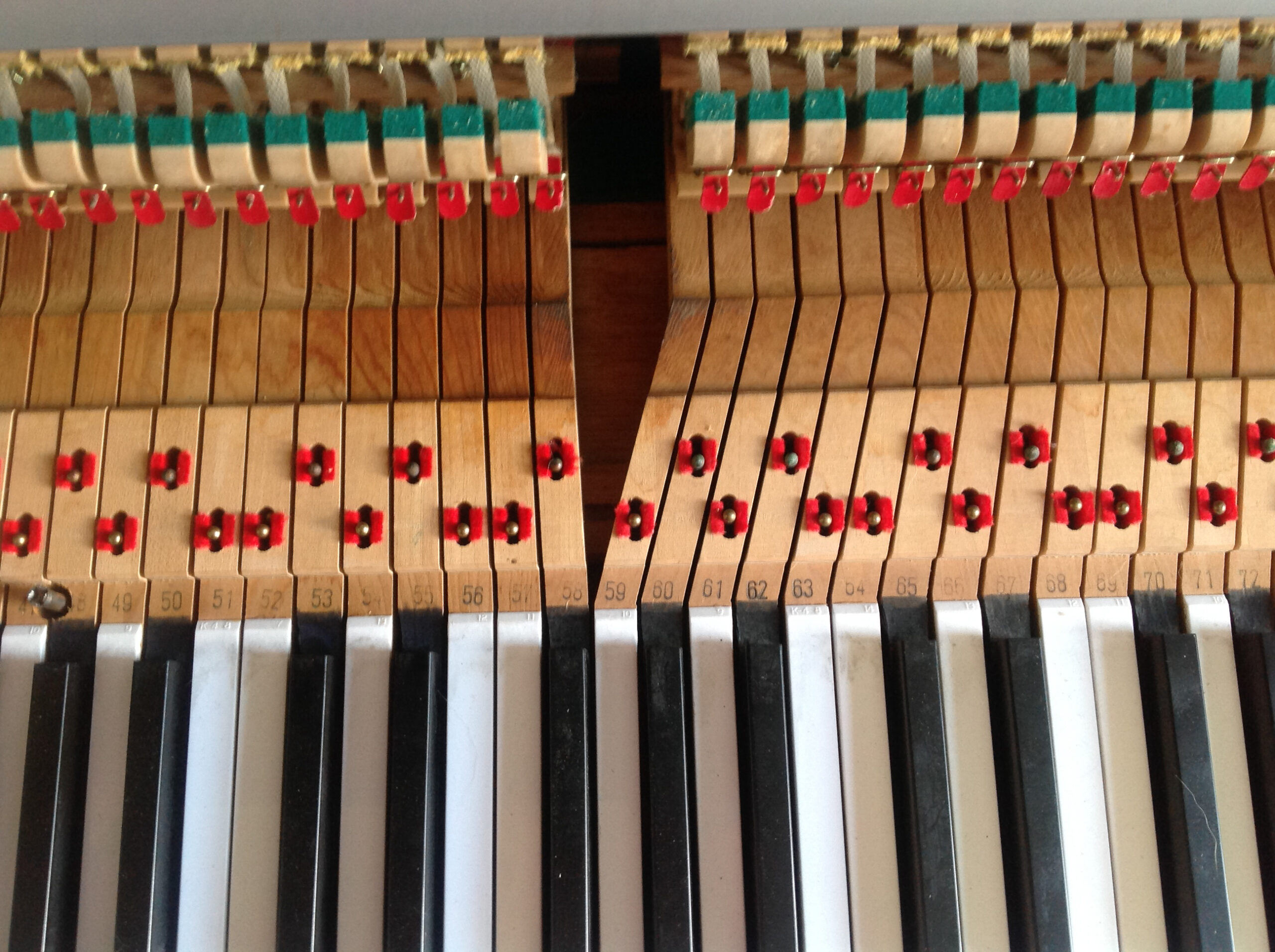
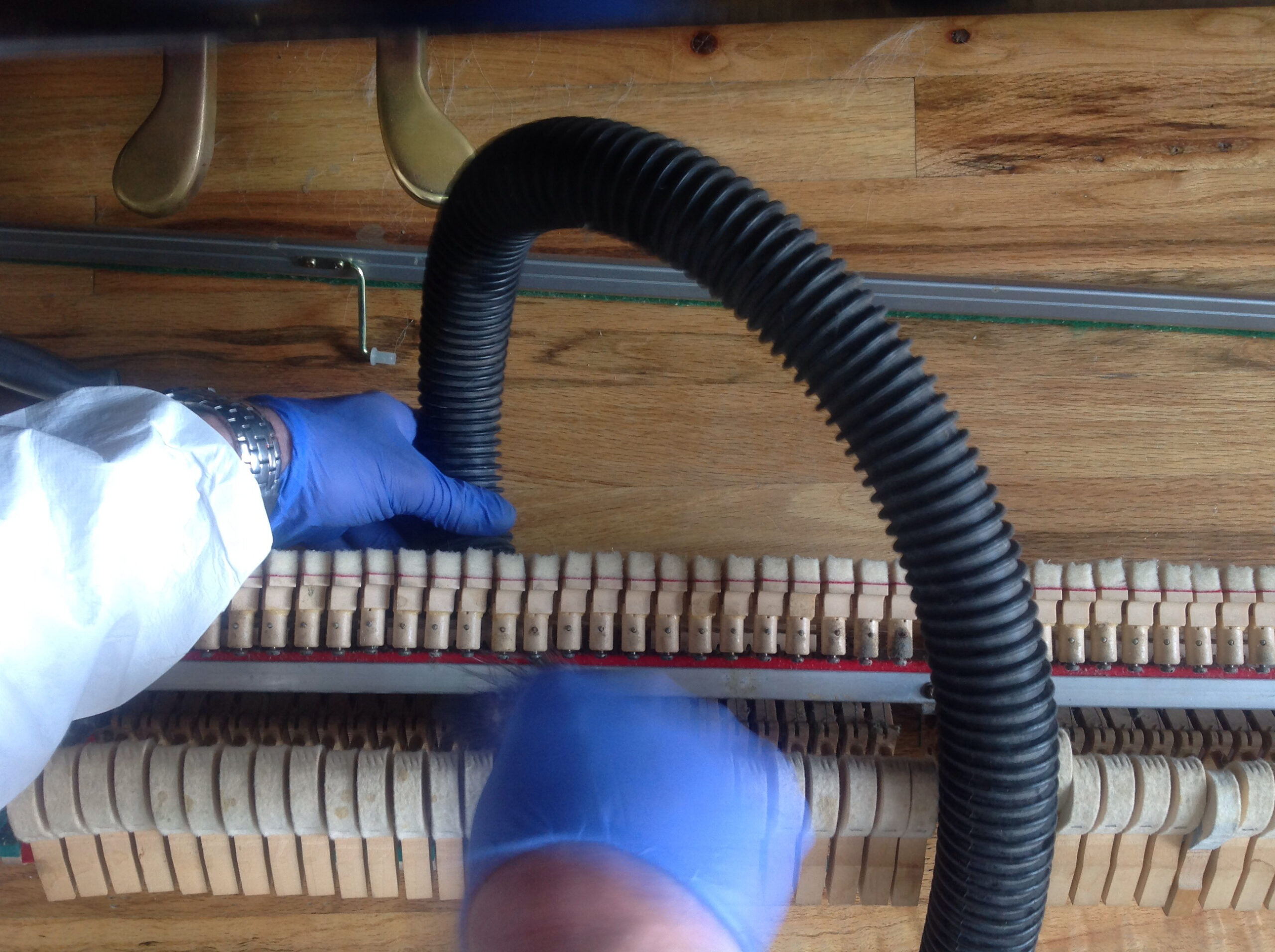
Vertical pianos require a different approach because their action and interior construction differ from those of a grand. Depending on the instrument, removable case parts may be taken off and the action and keys may be removed to expose the keyframe and interior areas.
The action can be cleaned outside the piano, while the keybed, bottom of the piano, action area, tuning-pin area, and other accessible interior surfaces are vacuumed and cleaned.
A CLEAN PIANO IS MORE THAN A CLEAN CABINET
The most important areas of a piano are often the ones you cannot see. A piano can look clean on the outside while years of dust, debris, food, pet hair, or mouse activity have accumulated underneath the action and inside the instrument.
A professional deep cleaning exposes those hidden areas, removes accumulated debris, and gives the piano a thorough interior cleaning from the inside out.

Interior piano cleaning
Exterior cabinet cleaning
Keyboard and key cleaning
Action and action-bed cleaning
Removal of mouse droppings and food deposits
Removal of nesting materials and accumulated debris
Cleaning around strings, hammers, and dampers
Pedal and lower cabinet cleaning
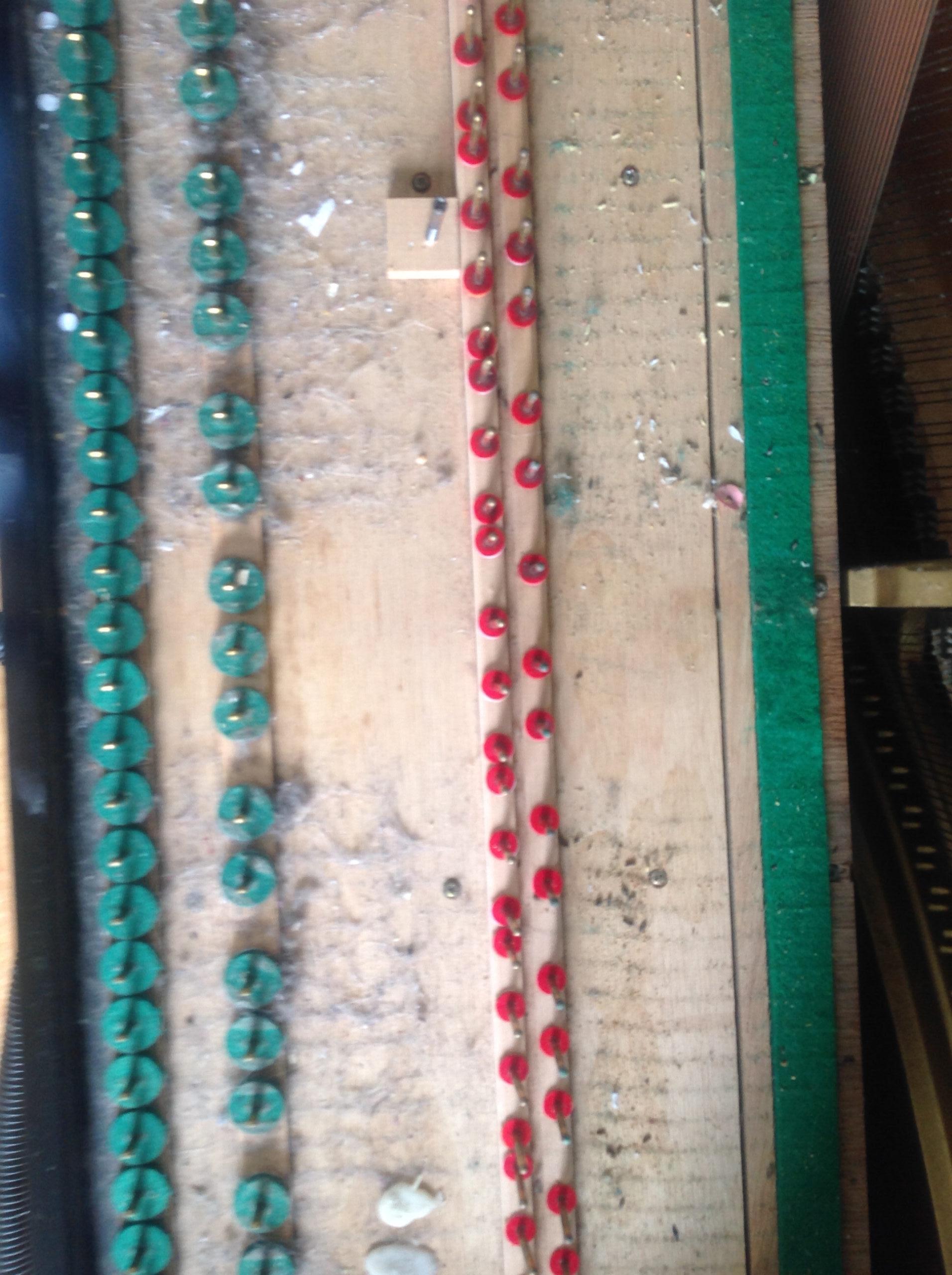
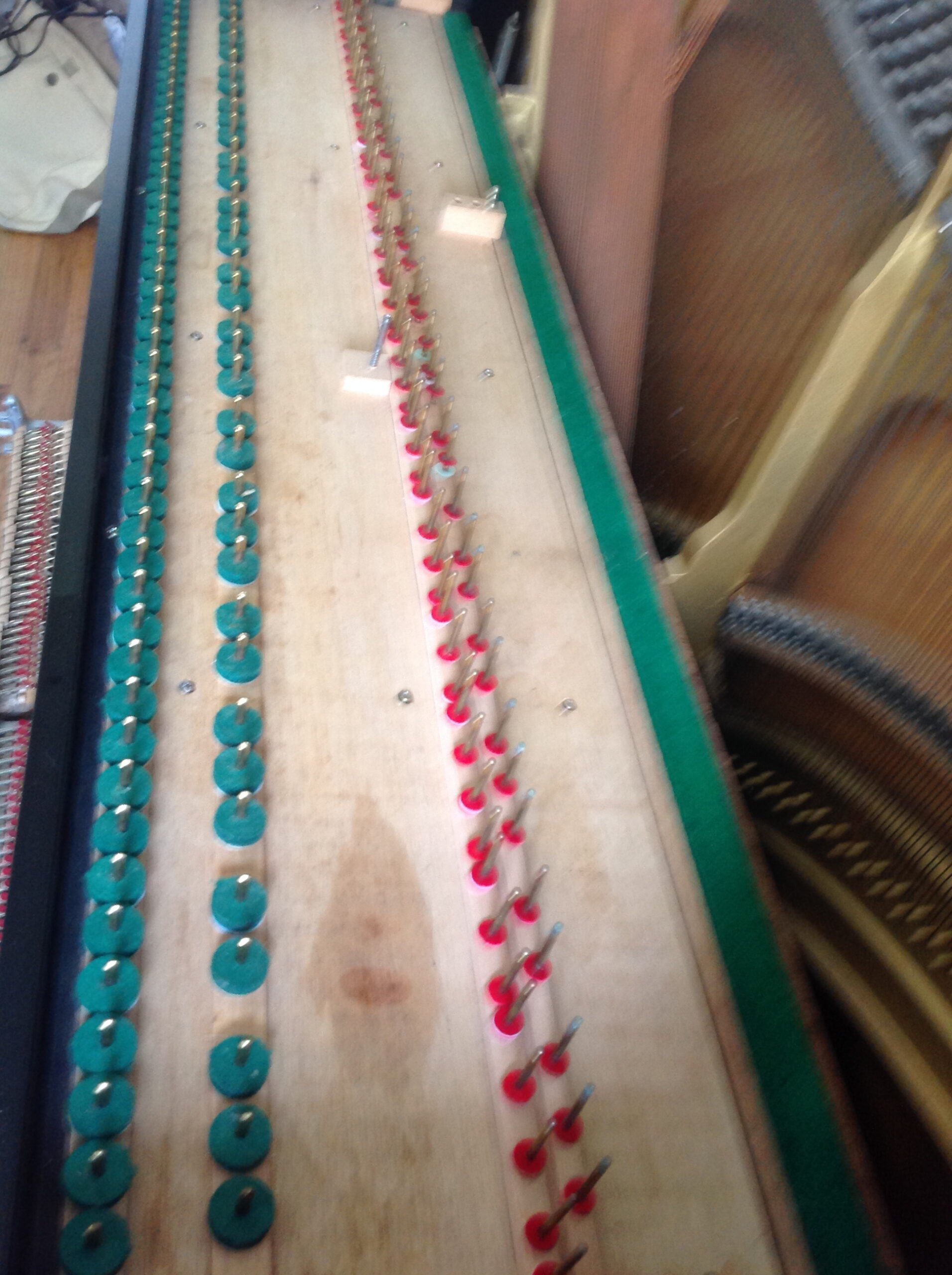
How do you know if your piano needs a cleaning
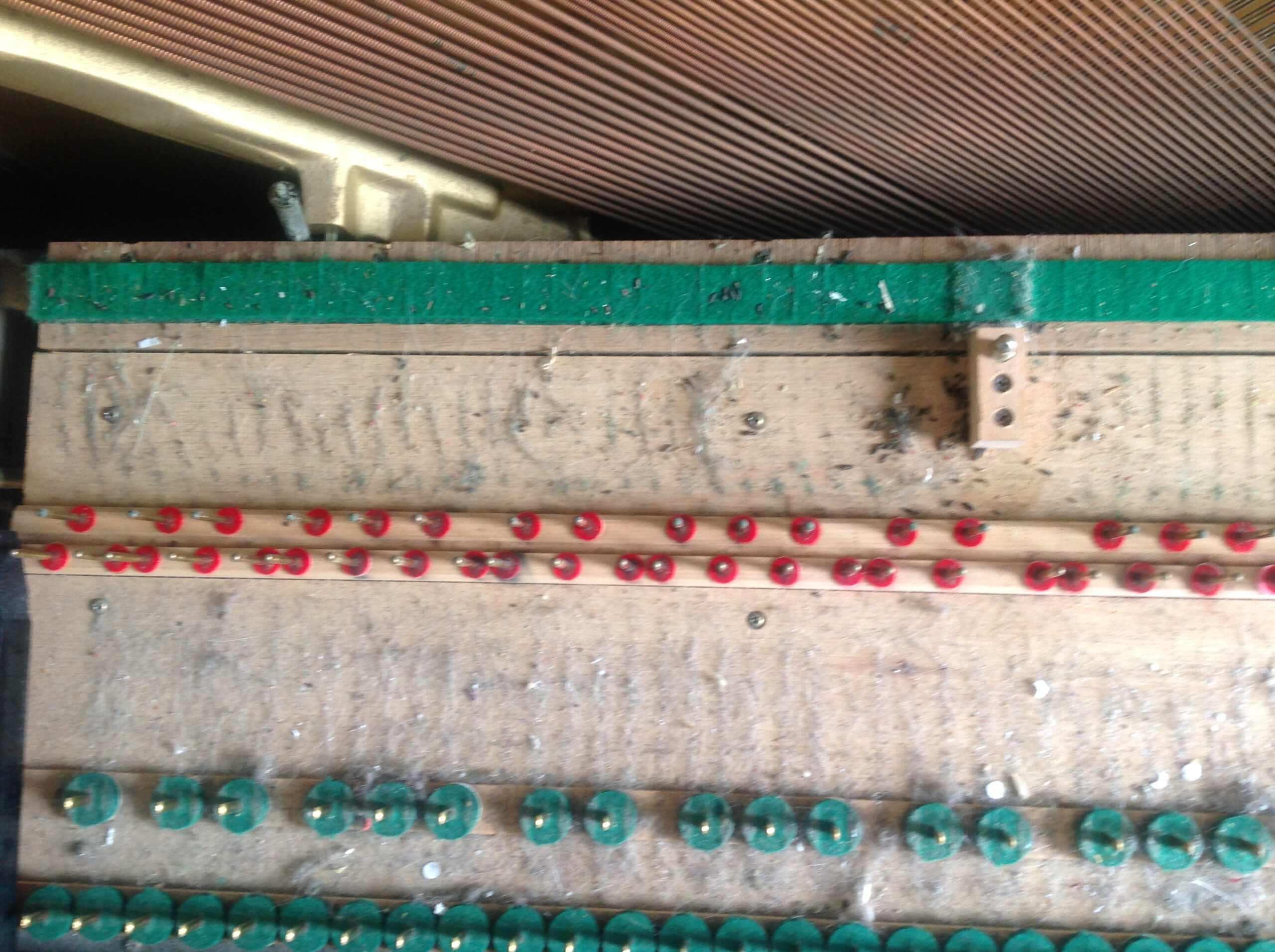
Look behind and under your furniture. What do you find? Dust Bunnies. Or worse. Read the section on mice below.The same dust accumulates in a piano. A clean piano is not only more attractive—it helps protect the instrument and provides a better environment for the piano’s moving parts. Dust, dirt, pet hair, and other debris can accumulate inside the piano over time, particularly around the action, strings, soundboard, and pedals.
Regular cleaning helps prevent buildup and keeps the interior and exterior of the instrument looking and functioning properly.
A piano may need professional cleaning if you notice visible dust or debris inside the cabinet, dirt around the keys, buildup around the pedals, or dust accumulating on and around the action. Pianos that have been exposed to pets, smoking, construction, or long periods without service may require more thorough cleaning.
PROFESSIONAL PIANO CLEANING
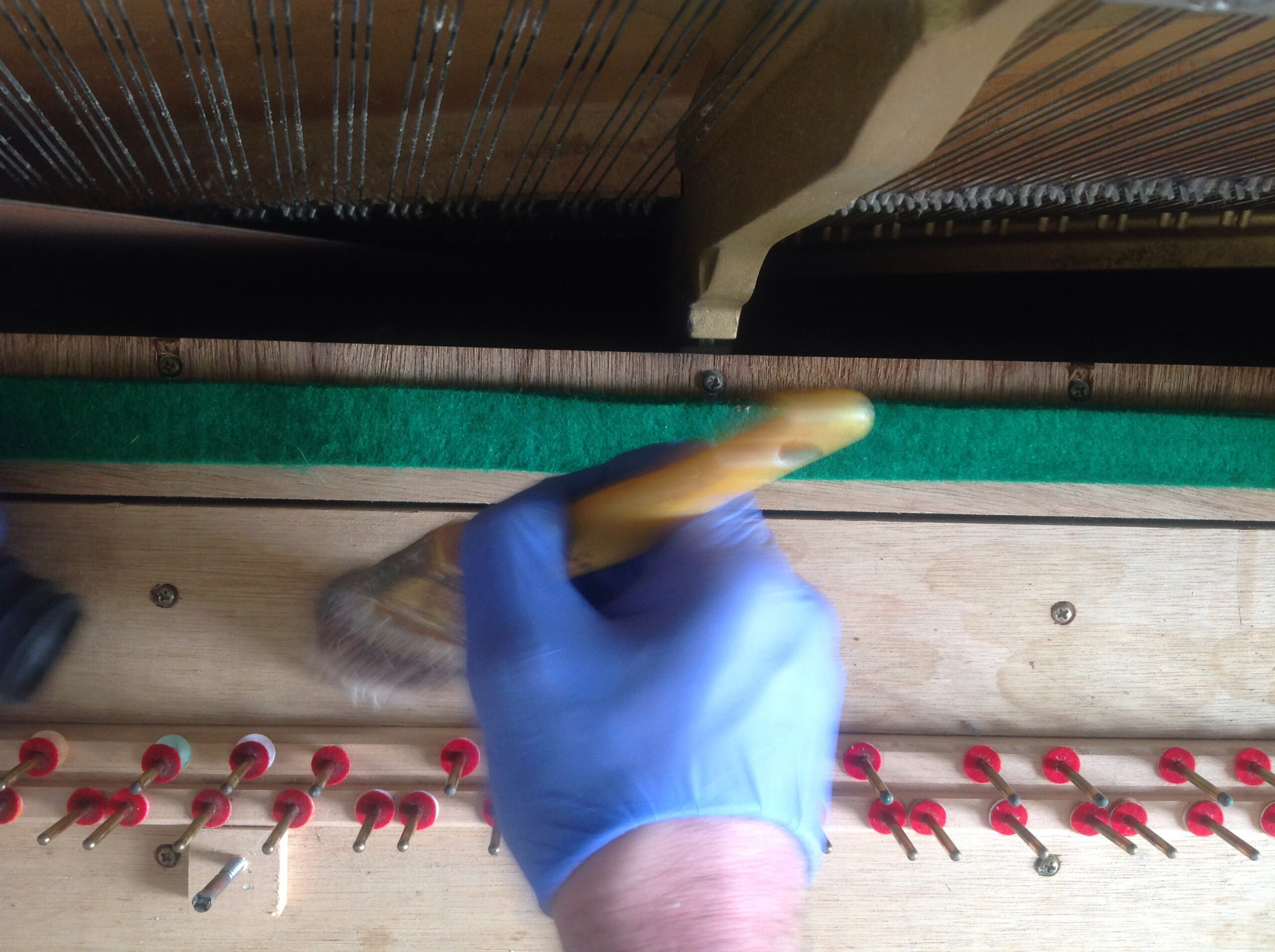
Professional piano cleaning can include careful cleaning of the cabinet, keyboard, pedals, interior surfaces, action area, strings, and other accessible components. Cleaning methods are selected according to the piano’s finish, construction, condition, and the type of material being cleaned.
Interior cleaning should be performed carefully. The piano contains delicate action parts, strings, hammers, dampers, and other components that can be damaged by improper cleaning methods.
Regular professional cleaning, combined with routine tuning and maintenance, helps keep your piano clean, protected, and ready to play.
How do you know if your piano has a mice problem?
Pianos can provide an attractive hiding place for mice, particularly in the protected spaces beneath and behind the action. One of the areas most commonly affected is the action bed, where mice can find a dark, sheltered space that is rarely disturbed.
Mice may use the area beneath the action bed for nesting, storing food, and leaving droppings and urine. Food such as seeds, nuts, pet food, and other materials can be carried into the piano and accumulated in hidden areas. Over time, this material can build up beneath the action and inside the piano.
Mouse activity can also result in droppings, urine, nesting material, and unpleasant odors. In more serious infestations, mice may chew on felt, cloth, wood, and other components. Their activity can contaminate areas that are difficult for a homeowner to see or reach.
SIGNS OF MICE IN A PIANO
Look for:
* Mouse droppings beneath or behind the action
* Food or food storage deposits
* Nesting material
* Chewed felt, cloth, or wood
* Mouse urine or staining
* Unusual odors
* Debris accumulating underneath the action bed
* Evidence of mice around or underneath the piano
A piano can appear perfectly clean from the outside while significant mouse activity is hidden inside. During a professional cleaning or service appointment, the action and other accessible areas can be inspected for evidence of infestation and accumulated debris.
If mice have been inside your piano, cleaning should be approached carefully so that contaminated material is removed without damaging the delicate action and other components of the instrument.
Happy Customers
Years in Business
Locations
More Services
All of our services are guaranteed to bring you lasting enjoyment with your piano.
Tuning
Once a year is recommended, more if you play often.

Cleaning
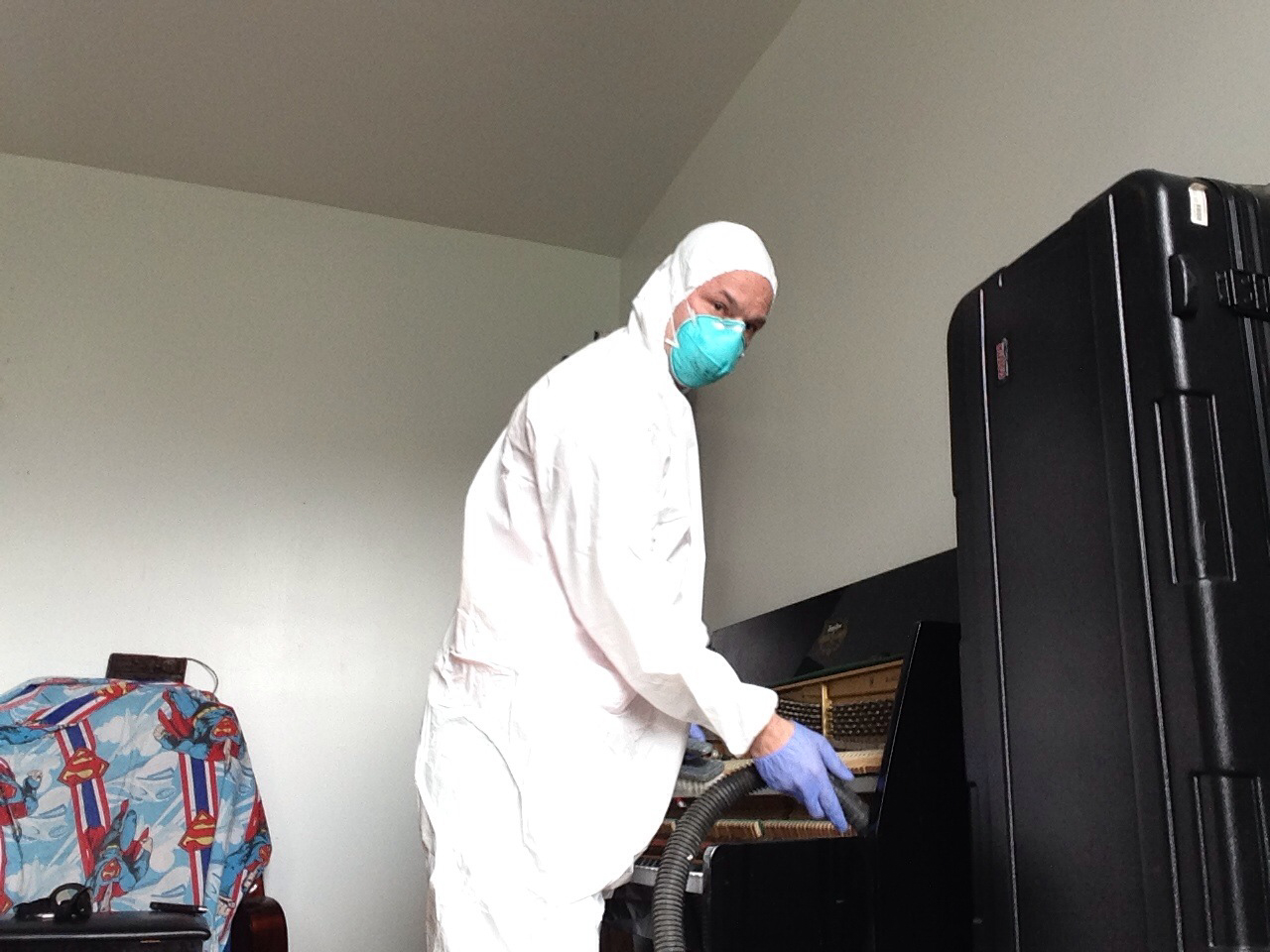
Mice love your piano. We come prepared. Resistance is futile.

Appraisals
Insurance wants your money, you'll want it back, just in case,.
Repairs
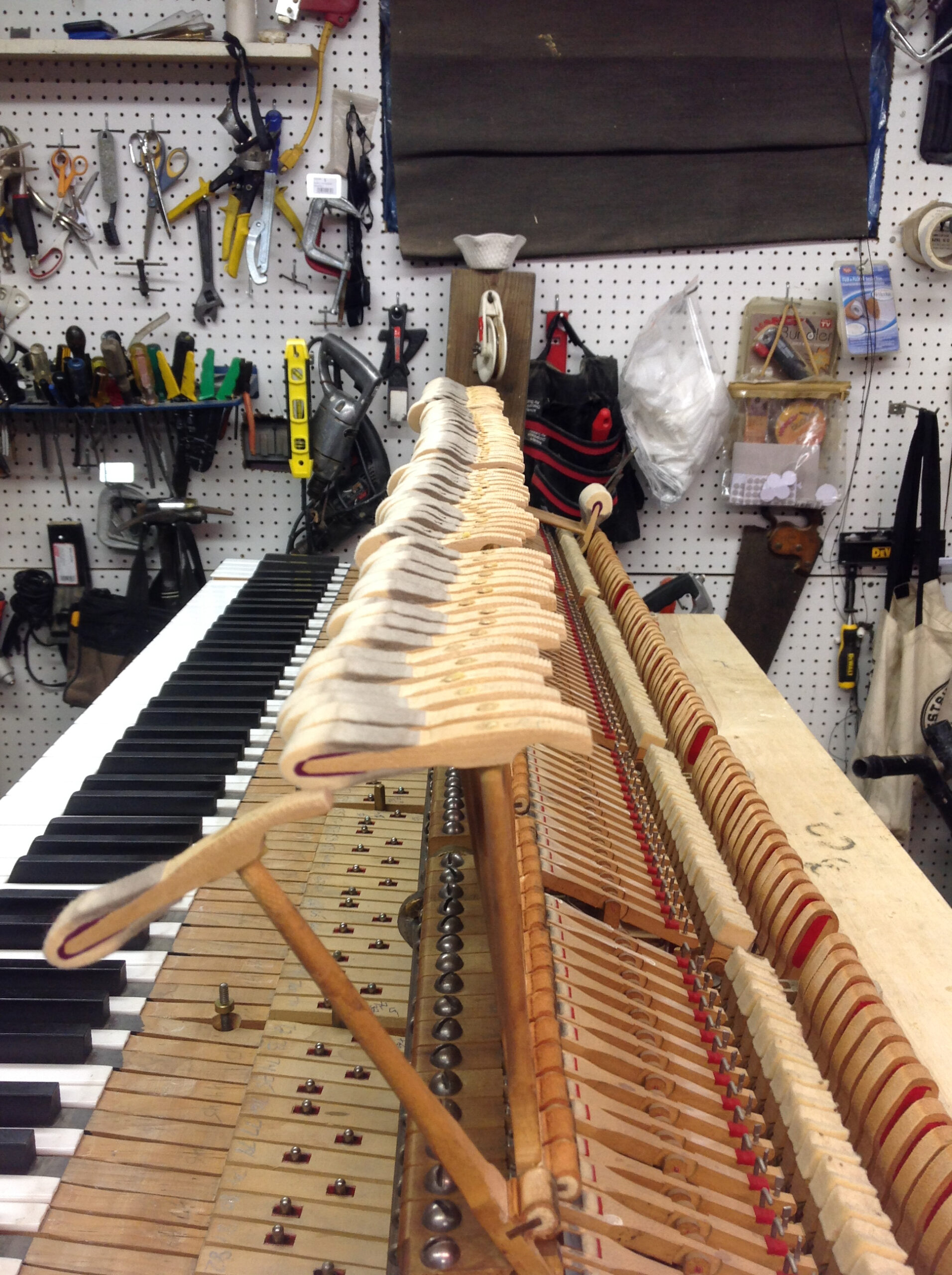
Things break. Don't worry, We carry a large inventory.
Happy Customers

Chris, thanks for getting rid of the vermin...damn cat couldn''t do it.
Jose V.- NYC
I appreciate very much you removing the scratches and polishing it too such high gloss. It looks just like when I bought it 40 years ago! Hooray.
Marvin B - Cincinnati, OH
Full Service Piano Tuning and Repair
Satisfaction Guaranteed
